Introduction
Addiction is a serious challenge faced by individuals and families across the world. Despite being a medical and psychological condition, many people still consider it a social taboo. Because of this stigma, thousands hesitate to seek timely help. In India, Nasha Mukti Kendras (de-addiction centers) play a vital role in helping people overcome addiction, rebuild their lives, and return to society as healthier, stronger individuals.
But the real question is: Why do so many people feel hesitant to approach a Nasha Mukti Kendra? The answer lies in stigma, misconceptions, and fear of judgment. This blog explores why seeking professional help is actually a sign of strength, courage, and self-respect.
Understanding Addiction: More Than Just a Habit
Addiction Is a Disease, Not a Choice
One of the biggest reasons for stigma is the misconception that addiction is simply a “bad habit” or a “moral weakness.” In reality, addiction is a chronic disease of the brain that affects decision-making, impulse control, and behavior. Just like diabetes or heart disease, addiction requires proper treatment.
The Cycle of Addiction
Addiction often follows a destructive cycle:
- Curiosity or peer pressure leads to experimentation.
- Repeated use creates dependency.
- Withdrawal symptoms make quitting extremely difficult.
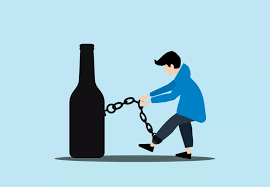
- The individual feels trapped and helpless.
Breaking this cycle alone is nearly impossible, which is where Nasha Mukti Kendras step in.
The Social Stigma Around Seeking Help
Fear of Judgment
Many people avoid rehabilitation because they fear being labeled as “weak” or “spoiled.” Families, too, sometimes hide the issue due to “what society will say.” This judgment prevents timely treatment.
Myths About Nasha Mukti Kendras
There are several misconceptions about rehabilitation centers, such as:
- They are only for “severe” addicts.
- People lose their freedom completely.
- Recovery is painful and humiliating.
In reality, modern Nasha Mukti Kendras provide medical, psychological, and emotional support in a safe, respectful environment.
Why Seeking Help Is a Sign of Strength
Courage to Face the Truth
Admitting you have a problem takes immense courage. Denial is easy, but acceptance requires strength. Walking into a Nasha Mukti Kendra means you are ready to fight your battle, not hide from it.
Commitment to Self-Growth
Seeking treatment is an investment in your health, future, and relationships. It shows determination to improve, not just for yourself but also for your loved ones.
Breaking the Chain for Future Generations
Addiction not only harms the individual but also affects families. By choosing recovery, a person ensures their children and future generations are not trapped in the same cycle.
The Role of Nasha Mukti Kendras in Recovery
Professional Medical Care
De-addiction centers provide medical detox under expert supervision, ensuring withdrawal is safe and less painful.
Psychological Counseling
Addiction often comes with anxiety, depression, or trauma. Through one-on-one counseling and therapy sessions, individuals learn healthier coping mechanisms.
Peer Support & Community Healing
Living with others who share similar struggles creates a sense of belonging. Group therapy builds confidence and reduces feelings of isolation.
Holistic Therapies
Many Kendras integrate yoga, meditation, art therapy, and spiritual guidance to heal the mind, body, and soul.
Changing Perceptions: How Society Can Help
Encourage Open Conversations
Talking openly about addiction helps normalize the idea of seeking treatment. Families, schools, and communities must discuss addiction as a health issue, not a crime.
Celebrate Recovery Stories
Highlighting real-life success stories from Nasha Mukti Kendras can inspire others to step forward without fear.
Support Instead of Blame
Instead of blaming the person, offering empathy, patience, and encouragement can make recovery smoother.
How Families Can Support the Decision
- Be Non-Judgmental: Avoid shaming language.
- Offer Emotional Support: Recovery is challenging, and family encouragement plays a huge role.
- Stay Involved: Attend family counseling sessions at the Kendra.
- Celebrate Progress: Every small step toward sobriety deserves recognition.
Breaking the Stigma: Real-Life Perspective
Imagine two scenarios:
- Person A hides their addiction due to fear of judgment, leading to worsening health, broken relationships, and financial instability.
- Person B admits their struggle, enters a Nasha Mukti Kendra, and gradually rebuilds their life with professional help.
The difference is clear: seeking help changes lives. Far from being a sign of weakness, it is proof of inner strength and resilience.
Why Now Is the Best Time to Seek Help
With increasing awareness, improved facilities, and government support, Nasha Mukti Kendras today are more effective than ever before. Waiting longer only deepens the damage. The right time to seek help is now.
Conclusion
Addiction is not a personal failure—it is a medical condition that requires compassion, understanding, and treatment. The stigma around rehabilitation prevents many from reclaiming their lives, but it’s time to change that mindset.
Choosing to enter a Nasha Mukti Kendra is not a weakness. It is one of the bravest, strongest decisions a person can make.
By breaking the stigma and encouraging open dialogue, society can ensure that more individuals get the help they need, families heal, and communities grow stronger.