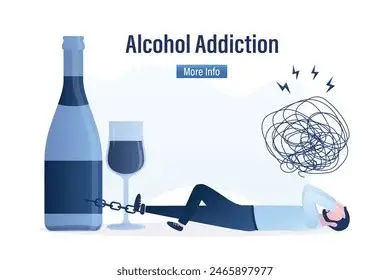
Addiction is complicated — it affects the brain, the body, families and futures. In 2025 more people are combining medical care, counselling and natural Nasha Mukti medicines to support recovery from alcohol, nicotine and drug dependence. This article walks you through how herbal and Ayurvedic options work, the best-selling / widely recommended products available today, safety and usage tips, and when to opt for clinical treatment.
Note: if you or someone you know is in immediate danger, please contact local emergency services. India’s Nasha Mukt Bharat Abhiyan also lists helplines and resources for drug de-addiction support. NMBA
How herbal Nasha Mukti medicines help recovery (short science)
Herbal de-addiction medicines don’t act like a magic pill — instead they support three key areas:
- Detox and organ support — herbs such as kutki, amla and giloy help liver and digestive recovery.
- Craving & stress reduction — adaptogens and nervine tonics (ashwagandha, brahmi, shankhpushpi) reduce anxiety and blunt cravings.
- Brain–body recalibration — antioxidants and nervine herbs support nervous system repair and better sleep, which lowers relapse risk.
Modern research into Ayurvedic adjuncts for alcohol de-addiction is growing (systematic and clinical studies have been published in recent years), but herbal options are best used as part of a comprehensive recovery plan — not as a lone therapy. LWW Journals
What to look for in a Nasha Mukti medicine
When choosing a product, prioritise:
- Transparent ingredient list (botanical names and doses)
- Regulatory/AYUSH licences or credible manufacturer details
- Third-party quality checks (GMP/ISO where possible)
- Clear usage instructions and warnings
- Good reviews from verified buyers or practitioners
Also be mindful: many small vendors sell “Nasha Mukti powders” or “drops”; check for authenticity and consult a doctor if the person is on prescription medication.
Top (widely available) Nasha Mukti medicines & examples — what they claim and why people choose them
Below are examples of popular herbal / Ayurvedic formulations that people search for and use in 2025. I list product names, typical ingredients/claims, and one publicly available reference so you can read more. Remember: naming a product here is not an endorsement — it’s a starting point for informed choice.
1) Ridalcol (Ayurvedic liquid tonic) — marketed for alcohol quitting
A liquid tonic that often lists ingredients such as Ashwagandha, Shankhpushpi, Vidarikand and Tulsi — claimed effects: reduce craving, alter alcohol “taste response”, and support liver health. These tonics are popular because they are easy to administer and discreet. Amazon India
2) Divya Shri Nasha Mukti Plus Drops (herbal drops) — discreet drops for cravings
Small bottles of drops designed to be taken with water; commonly promoted for alcohol and drug cravings with nervine and liver-support herbs. Drops appeal to people who want low-profile treatment at home. Flipkart
3) Surari Churna / Surari powder (traditional churna) — classic herbal powder mix
Surari and similar churnas blend Vidarikand, Haritaki, Amalaki and other herbs — used to detoxify, support the liver and reduce dependence-related digestive issues. Powders are flexible (mix with milk/water) and have been part of Ayurvedic practice for de-addiction. RAPL Group
4) Addiction Killer / ‘Addiction Killer’ Ayurvedic powders — e-commerce packaged powders
Private-label products marketed on ecommerce platforms claiming “quit drinking / quit drugs” benefits through multi-herb formulations. Many offer GMP/ISO claims — always verify the manufacturer and read labels carefully. SATKARTAR
5) Nasha Shunyam / Nasha Mukti blends by Ayurvedic brands — targeted multi-herb formulas
Brands focused on de-addiction produce capsule/tablet blends combining Brahmi, Ashwagandha, Amla and other herbs; these aim to give structured dosing and easier adherence. Branded, registered formulas are easier to verify for quality. वनवासी
How people typically use these medicines (practical guide)
- Initial phase (0–2 weeks): Start with a gentle detox/tonic dose; combine with increased hydration, light diet and medical supervision if withdrawal risk exists.
- Stabilisation (2–8 weeks): Continue adaptogenic/nervine herbs; introduce sleep hygiene, counselling and trigger avoidance.
- Maintenance (8–12+ weeks): Continue brain-supporting herbs and lifestyle routines to reduce relapse risk.
Typical product instructions vary — for example, drops might be 15–20 drops twice daily, powders 1 tsp twice daily, and tablets 1–2 tablets twice daily. Always follow the product label or practitioner advice.
Safety, interactions & when to see a doctor
Herbal does not always mean harmless. Key safety points:
- Check drug interactions. If the person is on prescribed medicines (antidepressants, anti-seizure drugs, benzodiazepines, warfarin, diabetes drugs) speak to a physician first.
- Pregnancy & breastfeeding: avoid most de-addiction herbs unless a qualified practitioner advises otherwise.
- Severe withdrawal: heavy alcohol or opioid withdrawal can be life-threatening — seek clinical detox and inpatient care if symptoms include seizures, severe tremors, hallucinations, confusion, or cardiovascular instability. Government and medical de-addiction centres can help. NMBA
Clinical complement: why blends + counselling win
Studies and clinical practice increasingly show that medicines + psychosocial support beats unassisted quit attempts. Medicines (herbal or pharmaceutical) can reduce cravings and stabilise physiology, but therapy — CBT, motivational interviewing, family therapy — rewires behaviour and coping skills. If you’re using Nasha Mukti medicines, pair them with counselling or a support group for the best outcome. LWW Journals
Realistic expectations & red flags
- Be realistic: herbal formulas can reduce cravings and support recovery but rarely produce overnight cures.
- Watch for false claims: any product that guarantees “100% cure overnight” or promises to remove addiction without counselling or lifestyle change is probably misleading.
- Quality matters: avoid unnamed “miracle powders”. Look for manufacturer contact, licence numbers and verifiable customer feedback.
Quick comparisons: Tablets vs Drops vs Powders
- Tablets/Capsules: easy dosing, consistent potency, good for long-term maintenance.
- Drops: discreet, rapid dosing, useful for acute cravings.
- Powders/Churnas: flexible, traditional, can be combined with food — but potency and taste vary.
How to choose the right product for you
- Define the goal: short-term detox? Manage cravings? Long-term maintenance?
- Consult a professional: especially for heavy users or those on medication.
- Check labels & licences: AYUSH registration, manufacturer transparency, batch numbers.
- Start slow, monitor effects: keep a recovery diary for cravings, sleep and mood.
Final thoughts — combine compassion with evidence
Nasha Mukti medicines can be a compassionate, culturally familiar aid on the recovery journey. In 2025 they are most effective when used honestly — as one pillar in a broader plan that includes medical care (when needed), counselling, family support and healthy routines.
If you’re unsure where to start: reach out to a certified de-addiction centre, speak to a qualified Ayurvedic doctor or contact national helplines under Nasha Mukt Bharat Abhiyan for guidance and referrals. Recovery is rarely instant, but with the right supports and safe use of medicines, long-term sobriety is achievable.